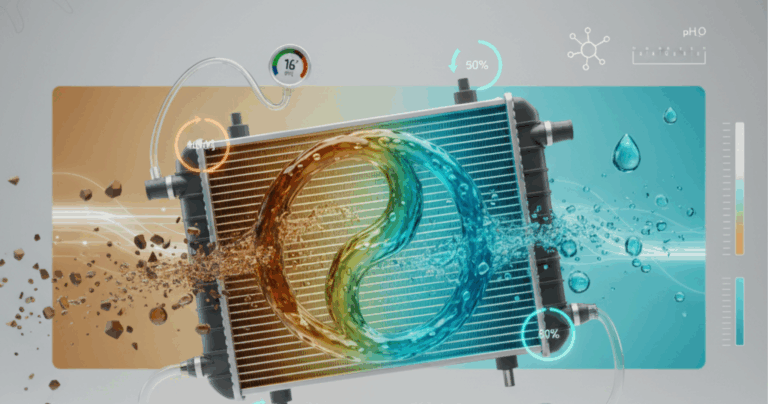

Let’s start with a story of my friend who recently spent a fortune just because he didn’t know the significance of replacing the Chery Tiggo AC filter in Pakistan!
My friend Asad bought a brand-new Chery Tiggo 4 Pro last year. Beautiful car, fantastic features, and honestly, one of the best value-for-money vehicles in Pakistan right now. He was absolutely thrilled with it—until about six months in. That’s when his AC started acting weird. Not completely broken, but off. The cooling felt weaker, there was a musty smell whenever he turned it on, and his wife started complaining about sneezing fits during their morning school runs with the kids. Asad took it to the Chery service center, expecting some major AC issue that would cost him tens of thousands. The mechanic popped the hood, pulled out the cabin air filter, and showed it to him.
It looked like someone had stuffed a wool blanket, covered in construction-site dust, into his car. Completely black, clogged, solid, barely any airflow getting through. The mechanic didn’t even need to say anything—just held it up and raised his eyebrows.
“Bhai, yeh kitne mahine se nahi badla?” (How many months since you changed this?)
Asad had never changed it. Didn’t even know it existed. The car was only 8,000 kilometers old, but those 8,000 kilometers in Lahore’s dust and pollution had absolutely destroyed that filter.
Every 5,000 kilometers? That’s roughly every four to five months for most people. Asad had no idea. The manual said 10,000-15,000 kilometers, but that’s for normal international conditions—not Pakistan’s dust storms and pollution levels.
What Actually Is a Cabin Air Filter and Why Should You Care?
Let’s start with the basics, because I’ve met plenty of car owners who genuinely don’t know what a cabin air filter is or what it does.
The Chery Tiggo AC filter in Pakistan (also called the AC filter) is a rectangular component that sits in your car’s ventilation system, usually behind the glove box or under the dashboard. Every bit of air that comes through your AC vents—whether you’re running cold air, heat, or just fan—goes through this filter first.
For Chery Tiggo owners specifically—whether you have the Tiggo 4 Pro, Tiggo 7 Pro, or Tiggo 8 Pro—this filter is critical because these cars have excellent AC systems with strong airflow. That strong airflow means lots of air is moving through the filter, so it gets clogged faster than you’d expect.
Why Pakistan Is Absolutely Brutal on AC Filters
Because Pakistan’s air quality is, frankly, terrible, and I say that as someone who loves this country—but we need to be honest about our environmental conditions.
Dust Levels: Pakistan, especially cities like Lahore, Karachi, Faisalabad, and Multan, has some of the highest atmospheric dust levels in the world. We’re not talking about occasional dust—we’re talking about constant, fine particles in the air year-round. Construction sites everywhere, unpaved roads, agricultural burning, and desert winds all contribute.
During my morning commute in Lahore, I can literally see dust particles floating in the sunlight inside my car, even with the windows closed. That’s how pervasive it is. Every single particle the AC system processes has to go through that cabin filter.
Seasonal Factors: Different seasons bring different challenges. Summer brings dust storms and agricultural burning smoke. Monsoon season brings humidity that encourages mold and bacteria growth in the filter. Winter brings smog—that horrible, thick blanket of pollution that settles over major cities. Your AC filter deals with all of it.
Urban Traffic: Most Tiggo owners live in cities and spend hours in bumper-to-bumper traffic. You’re breathing the exhaust of the vehicle directly in front of you, and all that exhaust is trying to enter your cabin through the AC system. The filter catches it, which is great, but it also means the filter gets destroyed quickly.
Same filter, same car model, same kilometers—but vastly different air quality conditions. That’s why Pakistani conditions specifically require more frequent changes.
How to Know When Your Tiggo’s AC Filter Needs Changing
Now, the official recommendation is 5,000 kilometers or roughly 4-5 months, whichever comes first. But every car’s usage is different, so here are the actual symptoms that tell you it’s time for a change:
Weak AC Performance: This is usually the first sign. Your AC used to freeze you out of the car within two minutes; now it takes ten minutes to get comfortable. The air coming out feels weak, like someone turned down the blower speed even though it’s on maximum.
This happens because the clogged filter restricts airflow. The AC compressor is working fine, and the system is cooling properly, but the air can’t move through the blocked filter efficiently.
Bad Smell: If you get a musty, moldy, or otherwise unpleasant smell when you turn on the AC, it’s usually a clogged filter with bacteria or mold growth. This is especially common during monsoon season when humidity combines with the dirt and organic matter trapped in the filter.
Some people describe it as a “wet sock” smell. Once you smell it, you can’t unsmell it, and it’s genuinely disgusting. That smell means you’re breathing mold spores, by the way—not great for your health.
Whistling or Unusual Noises: Sometimes a severely clogged filter causes weird whistling or wheezing sounds from the vents as air struggles to push through. It’s like trying to breathe through a stuffed nose—the air finds whatever gaps it can and makes noise doing it.
Allergies or Respiratory Issues: This is the health angle most people ignore. If you or your passengers suddenly start sneezing more in the car, getting itchy eyes, or feeling congested during drives, it’s often the filter. A dirty filter isn’t filtering anything—it’s just redistributing trapped allergens and pollutants back into your breathing space.
If you’re experiencing any two of these symptoms, your filter definitely needs to be changed. If you’re experiencing three or more, it should have been changed a thousand kilometers ago.
The Real Cost of Not Changing Your Filter
Here’s where people make mistakes—they think that skipping the 2,500-rupee filter change saves them money. It doesn’t. It costs you money and health in ways that add up fast.
AC System Damage: Your AC blower motor has to work harder to push air through a clogged filter. This extra strain shortens its lifespan. I’ve seen blower motors fail on Tiggo 4 Pros with less than 40,000 kilometers because owners never changed filters. A blower motor replacement costs 15,000-25,000 rupees, depending on the model. That’s 10 filter-change-worth of money.
The evaporator coil (the part that actually cools the air) can also get damaged when restricted airflow causes ice buildup or uneven cooling. Evaporator issues can run into hundreds of thousands to fix.
Health Costs: This is the big one people don’t calculate. Breathing polluted, mold-contaminated air during your daily commute affects your health. Increased allergies, respiratory infections and asthma aggravation—these aren’t just uncomfortable; they cost money in doctor visits and medication.
I know someone whose daughter developed a persistent cough that lasted months. Multiple doctor visits, various medications, nothing worked. Finally, someone suggested checking the car’s cabin filter (they spend hours a day in the car for school runs). Changed the disgusting filter, and within two weeks, the cough was gone. They’d spent about 15,000 rupees on medical costs for something that a 2,500-rupee filter would have prevented.
Comfort and Experience: You bought a Tiggo because it’s a comfortable, feature-rich vehicle. Letting the AC system deteriorate undermines the whole point of owning a good car. What’s the point of the excellent build quality and comfortable seats if you’re sweating and breathing bad air every time you drive?
Looking at it this way, not changing your filter every 5,000 kilometers is actually the expensive option. You’re just paying the cost later, in bigger, more painful chunks.
What Filter Should You Buy for Your Tiggo?
This is important because not all filters are created equal, and Pakistan’s market is full of cheap knockoffs that don’t actually filter anything.
OEM Filters: The safest option is buying genuine Chery filters from authorized dealers or reputable sellers like Autostore.pk. These are manufactured to exact specifications for your Tiggo model. They fit perfectly, filter effectively, and last the full service interval.
Expect to pay 2,200-3,500 rupees for genuine Chery cabin filters, depending on your model. Tiggo 8 Pro filters are typically more expensive than Tiggo 4 Pro filters because they are larger.
Premium Aftermarket: Brands like 3M or Bosch make excellent aftermarket cabin filters that often exceed OEM quality. These typically include activated carbon layers that filter odors and particles.
Budget/Generic: The cheap ones you find in local markets for 800-1,200 rupees. I strongly advise against these. Many are just basic fabric without proper filtration media. They might catch large dust particles, but don’t filter the fine particulates or pollution that actually matter for health. Some don’t even fit properly, allowing unfiltered air to bypass them entirely.
Autostore carries both OEM filters and premium aftermarket options with verified quality. They even offer cash on delivery and installation support if you’re not comfortable doing it yourself.
DIY: How to Change Your Tiggo’s Cabin Filter Yourself
Good news: changing a cabin air filter is one of the easiest maintenance tasks you can do yourself. No special tools required, takes about 10-15 minutes once you know where everything is.
Here’s how to do it on most Chery Tiggo models:
Step 1: Locate the Filter
On Tiggo 4 Pro and Tiggo 7 Pro, the cabin filter is usually behind the glove box. Open your glove box and remove everything inside. Look at the sides—you’ll see small pins or stops that prevent the glove box from opening all the way. Push these in, or gently squeeze the sides, and the glove box will drop further.
On the Tiggo 8 Pro, it’s in the same location, but the glove box removal process is slightly different—you might need to remove a couple of screws first. Check your manual or watch a YouTube video specific to your model if you’re unsure.
Step 2: Remove the Old Filter
Once the glove box is down, you’ll see a rectangular panel, usually held in place by clips or tabs. Press the tabs and pull the panel toward you. The old filter slides out from this compartment.
Warning: the filter will be disgusting. I mean, truly revolting. Be prepared for a cloud of dust when you remove it. Do this outside or in a well-ventilated area, not in your garage, where you’ll just spread the dust around.
Step 3: Clean the Filter Housing
Before installing the new filter, take a moment to wipe out the filter compartment with a slightly damp cloth. There’s usually accumulated dust and debris in there that you want to remove.
Don’t use water or liquid cleaners inside—just a barely damp cloth to pick up dust, then wipe dry. You want this area clean so the new filter can seal properly.
Step 4: Install the New Filter
Check the new filter for directional arrows. Most filters have arrows indicating airflow direction—these should point toward the interior of the car, not toward the engine bay. Installing it backwards reduces efficiency.
Slide the new filter into the housing, making sure it sits flush and even. It should slide in easily without forcing. If you’re having to push hard, something’s wrong—double-check orientation and alignment.
Step 5: Reassemble Everything
Clip the filter panel back into place, then push your glove box back up until the side stops clicking back into its normal position. Test by opening and closing the glove box—it should operate exactly as before.
Step 6: Test the AC
Start your car and turn on the AC at full blast. You should immediately notice stronger airflow and cleaner-smelling air. Take a short drive and verify everything’s working properly.
Total time: 10-15 minutes. Total cost: just the filter’s price. You’ll save the 500-800 rupees that mechanics charge for this simple job.
If you’re not comfortable doing it yourself, Autostore offers installation support or can guide you to a trusted mechanic who won’t overcharge for this basic service.
The 5,000km Rule: Why Pakistani Conditions Are Different
I want to address something that confuses a lot of Tiggo owners: why do I keep saying 5,000 kilometers when the manual says 10,000-15,000?
The manufacturer’s recommendation is based on “normal” driving conditions in “typical” environments. Think Japan, Europe, or even China’s cleaner cities. Places with strict emission controls, paved roads, minimal construction dust, and generally better air quality.
Pakistan is not in normal conditions. Pakistan is in extreme conditions.
Consider this: Lahore regularly ranks among the world’s most polluted cities. During winter smog season, our air quality index hits 300-400, sometimes even 500. That’s “hazardous” level. For context, anything above 100 is considered unhealthy.
Your Tiggo’s cabin filter constantly filters hazardous air, helping keep you safe inside your vehicle. In international “normal” conditions, it might last 15,000 kilometers. In Lahore’s winter smog, it’s saturated and useless after 4,000 kilometers.
Rural areas with less traffic and pollution can push it to 7,000-8,000 kilometers, but not beyond that.
Some people argue that this seems excessive. To them I say: pull out your current filter and look at it. If it’s dark brown or black, if you can’t see light through it easily, if it smells bad, it needs changing already. The evidence is literally right there in your car.
This isn’t about following arbitrary rules. It’s about responding to objective reality. Our air is dirty, our roads are dusty, and our cabin filters pay the price.
Monthly Maintenance: Simple Checks Between Filter Changes
You shouldn’t just ignore your AC system between filter changes. Here are simple monthly checks that take five minutes and can alert you to issues early:
Visual Inspection: Once a month, pop the glove box open and take a quick look at the filter housing. You don’t need to remove the filter, just peek at the visible edge. If you see heavy dust accumulation on the visible part, it’s probably saturated throughout.
Smell Test: When you first start your car, before turning on the AC, give it a sniff. Then turn on the AC and smell again. If there’s a noticeable change to a musty or unpleasant odor, that’s your filter telling you it needs attention.
Dashboard Dust: Check how quickly dust accumulates on your dashboard. If you’re cleaning more frequently than usual, that’s often a sign of filter problems allowing more particles into the cabin.
These quick checks won’t replace proper filter changes, but they’ll help you catch issues early before they become bigger problems.
What About Air Quality for Your Kids?
If you have children who spend time in your Tiggo, the cabin filter issue becomes even more critical. Kids’ respiratory systems are more vulnerable to air pollution and allergens.
I have a two-year-old nephew who rides in his father’s Tiggo 7 Pro every day for nursery runs. His father is religious about changing the cabin filter every 4,000 kilometers because he knows that the kid is breathing whatever air that filter lets through.
Children breathe faster than adults—they take more breaths per minute, which means more exposure to whatever pollutants are in the air. Their lungs are still developing, making them more susceptible to damage from poor air quality.
If you’re a parent or regularly transport children, don’t think of replacing the cabin filter as optional maintenance. Think of it as health care. You wouldn’t skip your child’s vaccines to save money—don’t skip cabin filters either.
The same applies if you or family members have asthma, allergies, or respiratory conditions. A high-quality, regularly replaced cabin filter isn’t a luxury—it’s a medical necessity in Pakistan’s environmental conditions.
The Economics: Budgeting for Filter Changes
Let’s talk actual money. If you’re changing your Tiggo’s cabin filter every 5,000 kilometers at 2,500 rupees per filter (mid-range quality), and you drive 20,000 kilometers per year, that’s four filter changes annually.
Total annual cost: 10,000 rupees, or about 833 rupees per month. Many people spend less on chai during their commute.
For this minimal investment, you get:
- Consistently strong AC performance
- Protection of expensive AC system components
- Better health for you and your passengers
- Better fuel economy
- Higher resale value
- Comfort and peace of mind
When you break it down this way, the cost is almost absurdly low for the benefits received. Yet I constantly meet Tiggo owners who won’t spend this money, then complain when their AC performance degrades, or they develop respiratory issues.
If 10,000 rupees annually seems like too much, I’d respectfully suggest you bought the wrong car. A Chery Tiggo is a premium purchase in Pakistan’s market—if you can’t afford 833 rupees per month for proper maintenance, the vehicle itself will probably stretch your budget too thin.
Why Autostore for Your Tiggo’s Filters
I need to mention why specifically buying from Autostore.pk makes sense for Tiggo owners.
First, they stock both OEM and quality aftermarket AC cabin filters for all Tiggo models—4 Pro, 7 Pro, and 8 Pro. You’re not going to receive a wrong filter or something that doesn’t fit properly.
Second, their quality verification process means you’re not getting cheap knockoffs. I’ve bought multiple filters from them for different cars, and the quality has been consistent every time.
Third, nationwide cash-on-delivery means you can verify the product before paying. If you’re in a smaller city where you can’t easily verify filter quality, this is valuable protection.
Fourth, they offer installation support. If you’re not comfortable changing the filter yourself, they can guide you through it or connect you with reliable mechanics in your area.
Fifth, they carry the full range of car care products you might need alongside your filter—AC cleaners, antibacterial treatments, interior cleaning products, etc. One-stop shopping for all your maintenance needs.
Plus, free delivery on orders over 3,000 rupees means your filter ships free if you’re buying anything else with it.
I’m not paid to say this—I genuinely appreciate it when a Pakistani company delivers quality products and good service. It’s rare enough to deserve recognition.
The Future: Filter Technology Improvements
The cabin filter market is actually evolving with some interesting new technologies that might benefit Tiggo owners:
HEPA Filters: Hospital-grade filtration that captures 99.97% of particles. These are becoming more available for automotive use and would be particularly valuable in Pakistan’s conditions. They cost more (4,000-6,000 rupees) but offer better protection dramatically.
Electrostatic Filters: Use static electricity to attract and capture particles. These can be more effective than traditional mechanical filters and are starting to appear in the Pakistani market.
Self-Indicating Filters: Some newer filters change color or have indicators that tell you when they’re saturated and need replacement. This removes the guesswork from maintenance scheduling.
As these technologies become more common and affordable in Pakistan’s market, they’ll offer even better protection for Tiggo owners who care about air quality.
FAQs: Chery Tiggo AC filter Pakistan
Q: I have a Chery Tiggo 4 Pro with only 3,000 kilometers on it, but my AC already smells bad. Do I really need to change the filter this early, or is something else wrong with the car?
You might actually need to change it even at 3,000 km, depending on your driving conditions—this isn’t unusual in Pakistan at all. That bad smell is almost certainly mold or bacteria growing in your cabin filter, and it can happen surprisingly quickly in our humid, dusty environment. Here’s the thing: if you bought the car from a dealer and it was sitting on their lot for several weeks or months before you purchased it, the filter might have accumulated dust and moisture while the car was parked. When cars sit unused in Pakistani weather, especially during the monsoon season, the AC system becomes a breeding ground for mold. Combined with our dust-heavy air, you can end up with a saturated, smelly filter even with very low mileage.
Q: I mostly drive in Islamabad, which has better air quality than Lahore or Karachi. Can I extend the 5,000 km replacement interval to 8,000-10,000 km, or does the rule apply equally across Pakistan?
You definitely have more flexibility in Islamabad, thanks to its relatively better air quality, and you’re smart to recognize that location matters. I’d say you can probably safely extend to 7,000-8,000 kilometers between changes if you’re truly staying within Islamabad’s cleaner areas—but I wouldn’t push it to 10,000 km even there. Here’s why: even Islamabad has significant dust during dry seasons, construction activity in various sectors, and pollution from older vehicles on the roads. Plus, if you ever drive to Rawalpindi or take trips to Lahore, Murree, or other areas, you’re exposing your filter to harsher conditions that aren’t reflected in your odometer reading alone.
Q: I’ve seen some YouTube videos showing how to clean and reuse cabin filters instead of replacing them. Does this work for Tiggo filters, and could it save money while still maintaining decent air quality?
I understand the appeal of this idea—spending 2,500 rupees every few months adds up, and if you could just clean the filter instead, it seems like a smart money-saving strategy. Unfortunately, I have to strongly advise against cleaning and reusing cabin filters, especially under Pakistani conditions. Here’s the reality: cabin filters work by trapping particles in their fiber matrix. When you try to clean them with compressed air or by tapping them out, you might remove surface dust, but the fine particulates that are actually dangerous—pollution particles, exhaust soot, allergens—are embedded deep in the filter material and can’t be effectively removed.
Final Thoughts: Your Health Is Worth 2,500 Rupees
Look, I get it. Car maintenance in Pakistan feels endless. Between fuel prices, regular oil changes, tire wear from terrible roads, and everything else, it’s tempting to cut corners where you can.
But the cabin air filter isn’t where you cut corners. This is literally about the air you and your family breathe for hours every day. That’s not optional maintenance—that’s health maintenance.
Your Chery Tiggo is a great car. It deserves proper maintenance so it can deliver the performance and comfort you bought it for. That means accepting that Pakistani conditions require more frequent filter changes than international standards suggest.
Every 5,000 kilometers, spend 2,500 rupees on a quality filter from Autostore.pk or a reputable dealer. Do the installation to save the labor cost, or pay a mechanic a few hundred rupees if you’re not comfortable doing it yourself.
The result will be consistently excellent AC performance, better health for everyone in the car, longer AC system life, and a more pleasant driving experience overall.
Your Tiggo is an investment. Protect that investment with proper maintenance. And protect your health by ensuring the air you breathe inside your car is as clean as possible in a country where the outside air definitely isn’t.
Trust me on this—spending 10,000 rupees annually on cabin filters is a lot cheaper than spending 50,000 on AC repairs, or more importantly, spending money on health issues for you and your family that could have been prevented.
Take care of your Chery Tiggo AC filter in Pakistan, and it’ll take care of you. And that starts with something as simple as changing a filter every 5,000 kilometers.