Android panels have seriously changed the driving experience in Pakistan. The old-school FM radio and CD player setup is now outdated—these days, one screen can handle Google Maps, Spotify, Bluetooth calls, reverse cameras, and phone connectivity right from your dashboard.
The confusing part? The market is full of options. In Lahore, Karachi, and Islamabad, you will find panels priced from around Rs 8,000 to Rs 80,000.
A lot of them look the same, but the price difference can be huge. Some sellers will hype up every panel like it is top-tier, then a few months later the screen starts lagging, the touch stops working, or the unit overheats in summer.
This guide keeps it real. We will cover which Android panels actually withstand Pakistani weather, which brands offer good value, which features are worth paying for, and how much you should realistically spend—no confusing sales pitch—just practical advice to help you buy smart.
What Is a Car Android Panel?
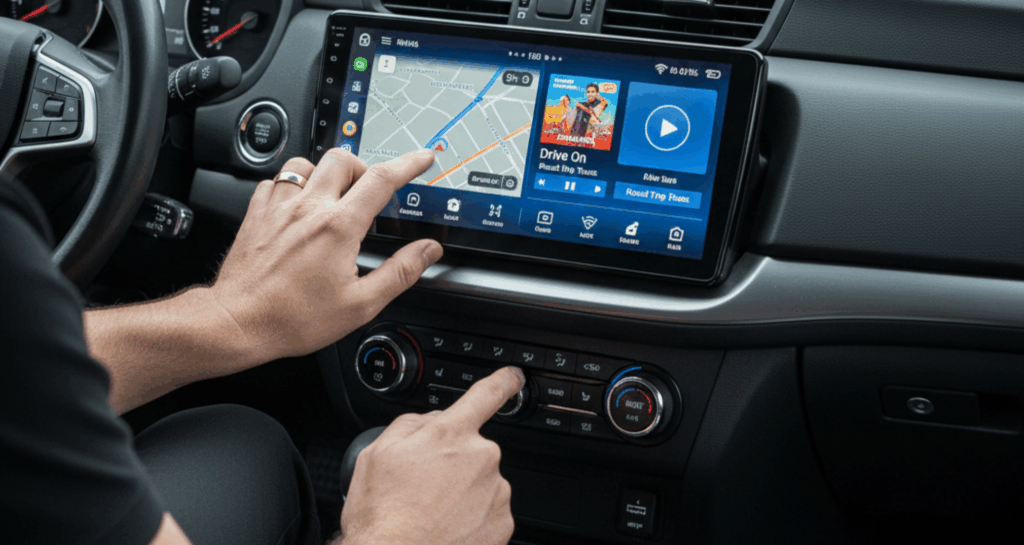
An Android panel is basically a tablet built into your car’s dashboard. It runs on Android OS, the same system your smartphone uses, which means you can install apps, connect to WiFi, use Google Maps, stream YouTube or Spotify, and mirror your phone screen.
Most panels come in sizes between 7 inches and 10 inches. They replace your factory stereo and connect to your car’s speakers, steering wheel controls, and often your reversing camera too. Better models include built-in GPS, 4G connectivity, and compatibility with both Android Auto and Apple CarPlay.
Pictures won’t tell you if a panel is cheap or good. What counts is build quality, actual speed, how well the touch responds, and whether it can handle our summers. A panel that works beautifully in a cool shop can become useless garbage after sitting through June and July in Lahore.
Why People Are Switching to Android Panels
Old-school car stereos feel pretty outdated now, and even some newer cars come with infotainment systems that look ancient next to a smartphone.
An Android panel upgrades the whole experience by adding features your car probably never came with.
Bluetooth calling lets you talk through your speakers without touching your phone, which is safer. And connecting a reverse camera makes parking in tight spots or crazy market areas so much easier.
Types of Android Panels Available in Pakistan
Universal Android Panels
These fit almost any car with some modification.
They come in standard sizes like 7-inch, 9-inch, or 10-inch. Installation requires cutting or adjusting your dashboard, which not everyone wants to do.
Prices range from Rs 8,000 for basic Chinese models to Rs 35,000 for decent quality universal panels. The cheap ones usually have slow processors, poor touch response, and screens that wash out in sunlight—mid-range options priced between Rs 18,000 and Rs 25,000 offer better performance without breaking the bank.
Car-Specific Android Panels
These panels are made to fit specific cars exactly. A panel built for a 2015 Civic slides straight into the dash without cutting anything, looks like it came from the factory, and matches your interior perfectly.
They cost more, though, anywhere from Rs 25,000 to Rs 60,000 depending on your car and the panel’s quality. Common cars like Civic, Corolla, City, and Cultus have plenty of choices, but if you’ve got something rare, you might be stuck with limited options or have to go universal.
The advantage is a clean installation and often better integration with your car’s existing features, such as steering controls, climate display, and factory amplifiers.
Premium Branded Panels
Brands like Kenwood, Pioneer, Sony, and JVC make high-end Android panels priced between Rs 40,000 and Rs 80,000. These offer superior build quality, faster processors, better screens, and reliable after-sales support.
Planning to keep your car for years? Premium brands are worth the money. They survive our heat way better, and the screens still work smoothly even after you’ve had them forever.
Key Features to Look For
Screen Size and Resolution
Don’t fall for the biggest screen just because it looks impressive.
A 10-inch panel might seem amazing, but it can cover your AC vents or look ridiculous in a smaller car. For most vehicles, 9 inches is the sweet spot. Resolution actually matters way more than size.
A crisp 1024×600 display will look miles better than a blurry 800×480 screen, even if it’s slightly smaller. Text and maps stay sharp instead of turning into a pixelated mess. Try to check the screen outside in direct sunlight before you buy.
Cheap panels basically become mirrors in the sun, and you can’t see anything, while proper ones stay bright enough actually to use while driving during the day.
Processor and RAM
This is what decides if your panel runs smoothly or drives you crazy.
Cheap ones use outdated processors with only 1GB RAM, which means apps take forever to load, maps keep freezing, and forget about doing two things at once. You need at least a quad-core processor with 2GB RAM.
Better models come with 4GB of RAM and octa-core processors that handle navigation, music, and other apps simultaneously without breaking a sweat.
Here’s the thing though: you can’t upgrade any of this later. So don’t try to save money here. A fast panel keeps working properly for years. A slow one will irritate you every single time you use it.
Android Version
Newer Android versions simply work better and support way more apps. You want Android 10 or higher.
Older versions like Android 8 or 9 still do the job, but they might struggle with the latest app updates. Watch out because some panels claim they’re running Android 12 or 13 when they’re really just older versions dressed up to look newer.
That’s not necessarily a dealbreaker if everything actually runs well, but you deserve to know what you’re paying for.
Reversing Camera Compatibility
Most Android panels work with reversing cameras, but how well they work varies a lot. The panel should automatically switch to the camera view when you put the car in reverse, and the picture needs to be clear and quick.
Some panels come with cameras included; others require you to buy one separately. Don’t forget to add that to your budget because decent reversing cameras run Rs 3,000 to Rs 8,000 extra.
Android Panel Price in Pakistan 2026
Prices have actually dropped in the last two years as more sellers entered the market. Competition drove costs down while quality improved across most price ranges.
Budget Range: Rs 8,000 to Rs 15,000
These are basic universal panels with 7-inch or 9-inch screens. Processors are slow, screens are dim, and build quality is questionable. They work for very old cars where you just want basic Bluetooth and music playback.
Expect issues such as touch lag, app crashes, and poor after-sales support. Many sellers in this range won’t honor warranties or help with installation problems.
Only buy here if budget is extremely tight, and you understand you’re getting basic functionality with compromises.
Mid-Range: Rs 15,000 to Rs 30,000
This is the sweet spot for most buyers. You get decent processors, responsive screens, working Android Auto, and reasonable build quality.
Popular options include locally branded panels and entry-level Chinese imports sold under various names. Installation is usually included, and sellers offer basic warranties.
Upper Mid-Range: Rs 30,000 to Rs 50,000
Here you find car-specific panels for popular models and better-quality universal options. Screens are brighter, processors are faster, and build quality inspires more confidence.
Brands at this level often have established reputations and decent service networks. Warranties actually mean something, and you can get support if issues arise.
These panels handle Pakistan’s conditions better. They’re less likely to develop touch issues or screen problems after a summer in the sun. If you’re keeping your car for several years, spending here makes sense.
Premium Range: Rs 50,000 to Rs 80,000+
International brands like Kenwood, Pioneer, Sony, and Alpine dominate this range. You’re paying for proven reliability, excellent screens, powerful processors, and comprehensive features.
These panels last. Screens stay bright and responsive for years. Processors handle everything you throw at them without lag. Build quality is exceptional, using materials that survive harsh conditions.
What to Watch Out for When Buying
Fake Specs and False Advertising
Sellers routinely lie about specifications. A panel advertised as having 4GB of RAM might actually have only 1GB. Android 12 might really be Android 8 with a reskinned interface.
Ask to see the actual specs in the Android settings menu. Check About Phone or System Info to verify what’s really inside. Don’t trust the box or the seller’s claims alone.
Installation Quality Matters
Bad installation ruins good panels. Loose connections cause audio issues, poor wiring drains your battery, and sloppy dashboard work looks terrible.
Use installers experienced with your specific car model. Check their previous work if possible. Authorized dealers for branded panels usually install properly since their reputation depends on it.
Warranty and After-Sales Support
Many sellers offer warranties but disappear when you need them. Get warranty terms in writing, including what’s covered and for how long.
Ask about service centers. Where do you go if something breaks? Some brands have service centers in major cities. Others require you to return to the original shop, which is impossible if you’ve moved or the shop closed.
Compatibility with Your Car
Not every panel fits every car easily. Older cars might need custom brackets or dashboard modifications. Newer cars with complex factory systems might lose features when you replace the original stereo.
Research your specific car model before buying. Online forums and Facebook groups for your car often have installation guides and compatibility information.
Car-specific panels eliminate these worries but cost more. Universal panels are cheaper but require more work to install properly.
Installation Process and Costs
Most sellers include basic installation in the price or charge Rs 2,000 to Rs 5,000 extra. This covers removing your old stereo, mounting the new panel, connecting the wiring, and testing to ensure everything works.
Complex installations involving custom brackets, steering wheel control adapters, or camera wiring cost Rs 5,000 to Rs 10,000. Luxury cars with complicated factory systems might cost even more.
Professional installers use proper wiring harnesses rather than cutting factory wiring. This preserves your car’s original wiring and makes future changes easier. Cheap installers cut and splice, which creates reliability issues and reduces resale value.
Installation takes 2 to 4 hours for straightforward jobs, longer for complicated setups. Don’t rush the installer. Proper installation prevents 90% of problems people complain about later.
Maintaining Your Android Panel
Software Updates
Good panels receive occasional firmware updates that fix bugs and improve performance.
Some panels update over WiFi automatically. Others require downloading files to a USB drive and installing manually. Keep your panel updated for best performance and security.
Screen Care
Clean the screen with microfiber cloths and screen-safe cleaners. Don’t use harsh chemicals or abrasive materials that scratch the display.
Avoid pressing the screen too hard. Cheap panels develop dead zones or cracks from aggressive touching.
Temperature Management
Park in shade when possible during summer. Extreme dashboard temperatures shorten panel lifespan, especially for cheaper models.
If your car sits in the sun all day, crack windows slightly to vent heat. This helps protect your panel and the rest of your interior.
Some premium panels include automatic shut-off features that protect components when temperatures get dangerous.
App Management
Don’t install tons of unnecessary apps. Every app uses memory and processor power, slowing your panel down.
Stick to essential apps like Google Maps, Spotify, YouTube, and maybe a couple others—Uninstall apps you don’t actually use.
Is Upgrading to an Android Panel Worth It?
For most people, yes. The convenience of navigation, entertainment, and hands-free calling significantly improves daily driving. If you spend hours in your car each week, the upgrade pays for itself in comfort and safety.
Budget Rs 20,000 to Rs 30,000 for a decent-quality panel with professional installation. This delivers reliable performance for several years without major issues.
Skip the absolute cheapest options unless budget truly allows nothing else. The frustration of a laggy, unreliable panel isn’t worth saving Rs 5,000.
If you drive an older car worth under Rs 500,000, a mid-range panel makes sense. Premium panels cost more than the value they add to very old cars.
For newer cars or vehicles you plan to keep long-term, consider premium brands. The better experience and longer lifespan justify the extra cost.
FAQs: Car Android Panel
What is the best car Android panel brand in Pakistan?
If you’re on a tight budget, Kixx and local brands give you decent options for Rs 15,000 to Rs 25,000. Got a bit more to spend? Kenwood sits in the middle, priced between Rs 25,000 and Rs 40,000, and delivers solid reliability with reliable support when you need it.
Want the absolute best? Pioneer or Sony will set you back Rs 40,000 and up, but the experience is worth it.
Chinese universal panels aren’t terrible if you know which seller to trust, though one batch might be great and the next complete garbage. Really, it comes down to what you can afford and how long you’re planning to keep the car, and whether you’re planning to sell it in a year or two. Mid-range stuff does the job just fine.
Keeping it for the long haul? Spend more upfront on brands that have real service centers here and won’t leave you stranded when something goes wrong.
Can I install an Android car panel myself?
Basic installation is possible if you have experience with car electronics and the right tools. You’ll need to remove your factory stereo, connect wiring harnesses, mount the new panel, and test all functions, including steering controls and cameras. However, most people should use professional installers.
Poor installation causes audio issues, electrical problems, and sometimes permanent damage to your car’s wiring. Professional installation costs Rs 2,000 to Rs 5,000 but prevents problems that cost much more to fix later.
Car-specific panels are easier to install than universal ones since they’re designed for your exact dashboard. If you’ve never done car electronics work before, don’t make your expensive new Android panel your first learning project.
Do Android panels work in Pakistan’s extreme heat?
Good panels survive our heat just fine, but cheap ones? They’re basically toast by June. You want panels with heat sinks, cooling fans, or something that properly manages temperature.
Cheap panels pack in garbage components that either stop working or completely die once your dashboard hits 60°C—which happens all the time here in summer—if you live somewhere really hot, like interior Sindh or southern Punjab.
Don’t cheap out. Spend the extra money on panels from brands people actually trust.
Final Recommendations
For most drivers in Pakistan, a mid-range Android panel priced between Rs 20,000 and Rs 30,000 is the sweet spot.
Aim for at least a quad-core processor, 2GB RAM, Android 10 or newer, and a bright 9-inch display that you can actually see in sunlight. If there is a model made specifically for your car, go for that instead of a universal panel—even if it costs a bit more—because the fit looks cleaner. Features like steering controls usually work better.
Check out Android Panels at Autostore.pk and add something new to your car NOW!